

Jewelry images is one of the most demanding forms of product photography. Rings, necklaces, earrings, bracelets, and watches contain tiny details that customers expect to see clearly before making a purchase. At the same time, highly polished metals and gemstones create reflections that can be difficult to control.
A successful jewelry photograph should showcase craftsmanship, sparkle, texture, and luxury while maintaining an accurate representation of the product. Whether you're photographing jewelry for an e-commerce store, or a luxury brand, these techniques will help you create professional results.
Why jewelry photography is so challenging? Unlike many products, it combines two difficult characteristics: tiny details and highly reflective surfaces. The key is controlling every element of the shoot before pressing the shutter.
Even minor mistakes in lighting, focus, or preparation can become obvious in the final image. Dust particles invisible to the naked eye may appear enormous in a high-resolution photograph, and unwanted reflections can distract from the beauty of the piece.
1. Use a Macro Lens for Maximum Detail
A macro lens is one of the most important tools in jewelry photography. Jewelry buyers want to inspect gemstone cuts, metal textures, engravings, diamond settings, and fine craftsmanship.
A dedicated macro lens allows you to capture these details with exceptional sharpness. Standard kit lenses rarely provide enough magnification or optical quality for professional jewelry work.
Popular focal lengths include 90mm, 100mm, and 105mm macro lenses, which provide comfortable working distance while maintaining excellent detail.
2. Master Lighting Before Anything Else
Lighting is the single most important factor in jewelry photography. Because it reflects everything around it, direct light often creates harsh glare and distracting hotspots. Soft, controlled lighting produces cleaner and more luxurious results.
To improve lighting:
- Use softboxes or diffusers,
- Work inside a light tent or light box,
- Position lights carefully to control reflections,
- Experiment with light angles to enhance sparkle,
- Avoid direct flash whenever possible.
Small changes in light placement can dramatically affect how gemstones and metals appear. The goal is not simply brightness but controlled reflections that reveal the shape and quality of the jewelry.
3. Choose the Right Background
Your background should support the product, not compete with it.
White Backgrounds
White backgrounds remain the standard for e-commerce stores, online marketplaces, product catalogs, and advertising platforms. They provide a clean and professional appearance while keeping attention on the jewelry itself.
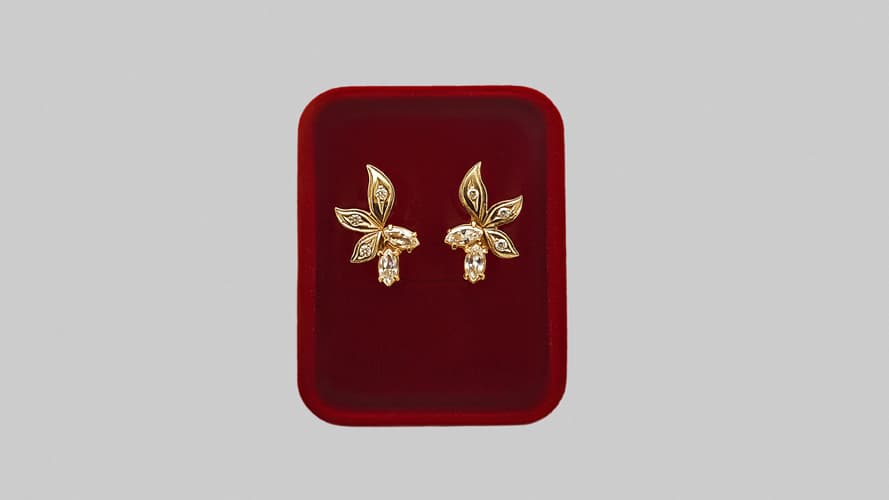
Dark Backgrounds
Black and dark gray backgrounds often work well for luxury collections, fine jewelry brands, and marketing campaigns. Dark surfaces can enhance contrast and make diamonds and polished metals stand out.
Lifestyle Backgrounds
Materials such as marble, velvet, stone, and wood can add atmosphere and help tell a brand story. However, these elements might distract from the product.
If you are photographing an entire collection, maintain consistency across all images to create a cohesive presentation.
4. Keep the Camera Perfectly Stable
Jewelry photography often requires small apertures and longer exposures to maximize depth of field. Even minimal camera movement can reduce image sharpness.
For the best results:
- Use a sturdy tripod,
- Enable a remote shutter release,
- Use a timer if a remote is unavailable,
- Avoid touching the camera during exposure.
Sharpness is especially important when customers zoom into product images.
5. Prepare Every Piece Before Shooting
One of the biggest mistakes in jewelry photography is overlooking preparation.
Before photographing any item:
- Clean gemstones carefully,
- Remove fingerprints,
- Eliminate dust particles,
- Polish metal surfaces,
- Inspect clasps and settings.
Wearing cotton gloves during handling helps prevent new fingerprints from appearing. Spending a few minutes preparing jewelry can save hours of retouching later.
6. Focus Stacking for Extreme Sharpness
When photographing rings, earrings, or close-up gemstone shots, depth of field can become extremely shallow.
Professional photographers often use focus stacking, a technique that combines multiple images focused at different distances into a single sharp photograph.
Benefits include greater detail throughout the product, improved gemstone clarity, sharper engravings, and higher-quality e-commerce images. For luxury jewelry photography, focus stacking is often considered a standard practice.
7. Pay Attention to Styling and Composition
Simple compositions usually perform best. A few carefully selected props can enhance the presentation, but excessive styling may distract from the product itself.
Consider ring stands, acrylic blocks, elegant display busts, and minimal luxury props. The jewelry should always remain the focal point of the image.
The Role of Professional Jewelry Retouching
Even with perfect lighting and careful preparation, jewelry images typically require professional retouching.
High-end jewelry retouching may include: Dust and scratch removal, Reflection cleanup, Metal polishing enhancement, Gemstone color correction, Diamond sparkle enhancement, Background refinement, Focus stack blending.The purpose of retouching is to present the product accurately and attractively. Luxury brands often invest heavily in post-production because customers expect flawless product imagery.
Common Jewelry Photography Mistakes
Avoid these common issues: overexposed gemstones, harsh reflections, inconsistent color temperature, visible dust and fingerprints, cluttered backgrounds, excessive editing, and soft focus. Correcting these mistakes can significantly improve both image quality and customer trust.
Jewelry photography combines technical precision with creative vision. Success depends on careful preparation, controlled lighting, proper equipment, and meticulous attention to detail.
When combined with professional jewelry retouching, these techniques help transform small objects into compelling images that showcase craftsmanship, build trust, and increase sales.
Investing in quality photography and post-production is one of the most effective ways to elevate your brand and create a premium customer experience.