

I've worked with fashion brands long enough to notice a pattern. When product images don't convert, it's rarely because the clothes are bad. Most of the time, the problem is subtle retouching mistakes that quietly break trust. Customers may not know what feels wrong, they just scroll past or hesitate to buy. Here are the most common retouching issues I see in fashion e-commerce and how to fix them without over-editing or losing realism.
1. Over-smoothing fabric until it looks fake
One of the biggest mistakes is treating clothing like skin. Fabrics are supposed to have texture, weight, and structure. When everything is blurred and flattened, the product loses its quality, especially for premium brands.
How to fix it
I clean wrinkles selectively, not globally. I keep the weave, stitching, and natural folds intact. A customer should be able to feel the fabric just by looking at it.
2. Inaccurate colors that don't match the real product
This one hurt sale and increases returns. When colors are pushed too warm, too cool, or overly saturated, customers feel misled once the item arrives.
How to fix it
I start with correct white balance and work from a neutral base. Always retouch with the real product in mind, not just what looks trendy on screen. Consistent, honest color builds long-term trust.
3. Inconsistent editing across the product gallery
A single product page might include 6 to 10 images. If exposure, tone, or background shifts from one image to another, the brand instantly feels less professional.
How to fix it
I think in sets, not singles. I match exposure, contrast, and color across the full gallery before finishing individual details. Consistency sells more than perfection.
4. Unnatural body reshaping on models
Excessive slimming, warped proportions, or awkward posture corrections are easier to spot than many brands realize. Even subtle distortions can feel uncomfortable and inauthentic.
How to fix it
I focus on posture and garment fit, not body transformation. Clothing should be the hero, not unrealistic body changes. Natural proportions build credibility.
5. Harsh cutouts and sloppy edges
Nothing breaks the premium feel faster than jagged edges, halos, or uneven shadows around a product or model. These details might seem small, but customers subconsciously notice them.
How to fix it
I use clean, precise masking and refine edges at 100% zoom. Soft transitions and natural shadows make images feel grounded and professional.
6. Over-retouched skin that distracts from the product
Skin that's too smooth, shiny, or plastic-looking draws attention away from the clothing. In e-commerce, skin retouching should support the image, not steal the spotlight.
How to fix it
I remove temporary distractions only. I keep pores, texture, and natural highlights. When skin looks real, the product looks better too.
7. Trendy edits that don't fit the brand
Heavy color grading or dramatic contrast might look great on social media, but it often doesn't work for product sales. Trends age quickly, product images need longevity.
How to fix it
I retouch for clarity, accuracy, and consistency first. Style can come second, but it should always align with the brand's identity and customer expectations.
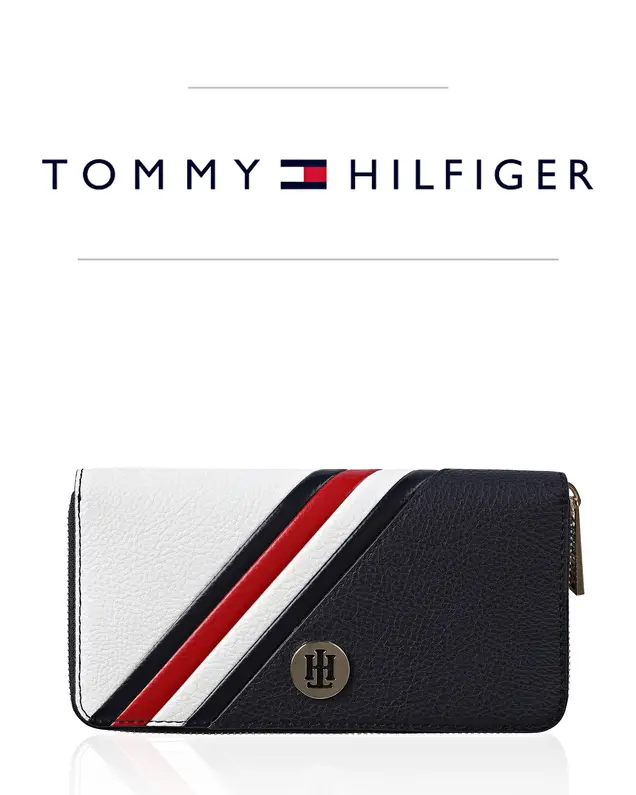
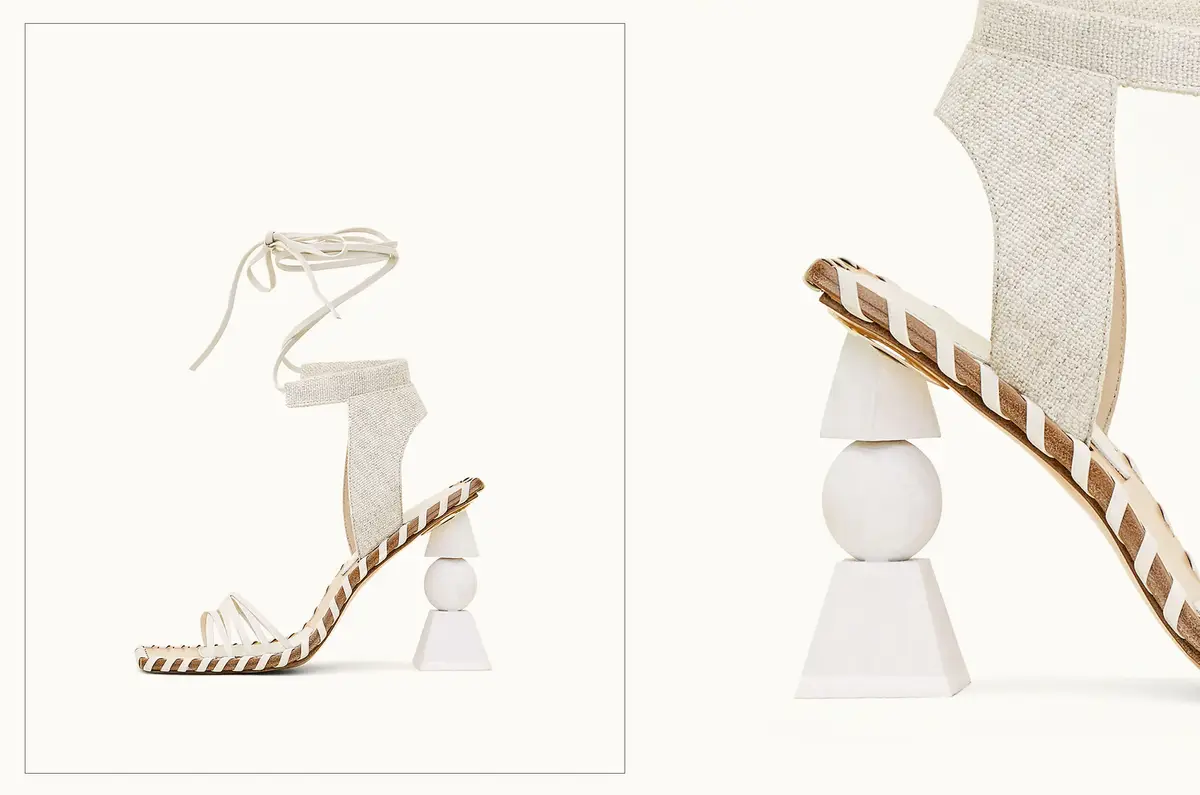
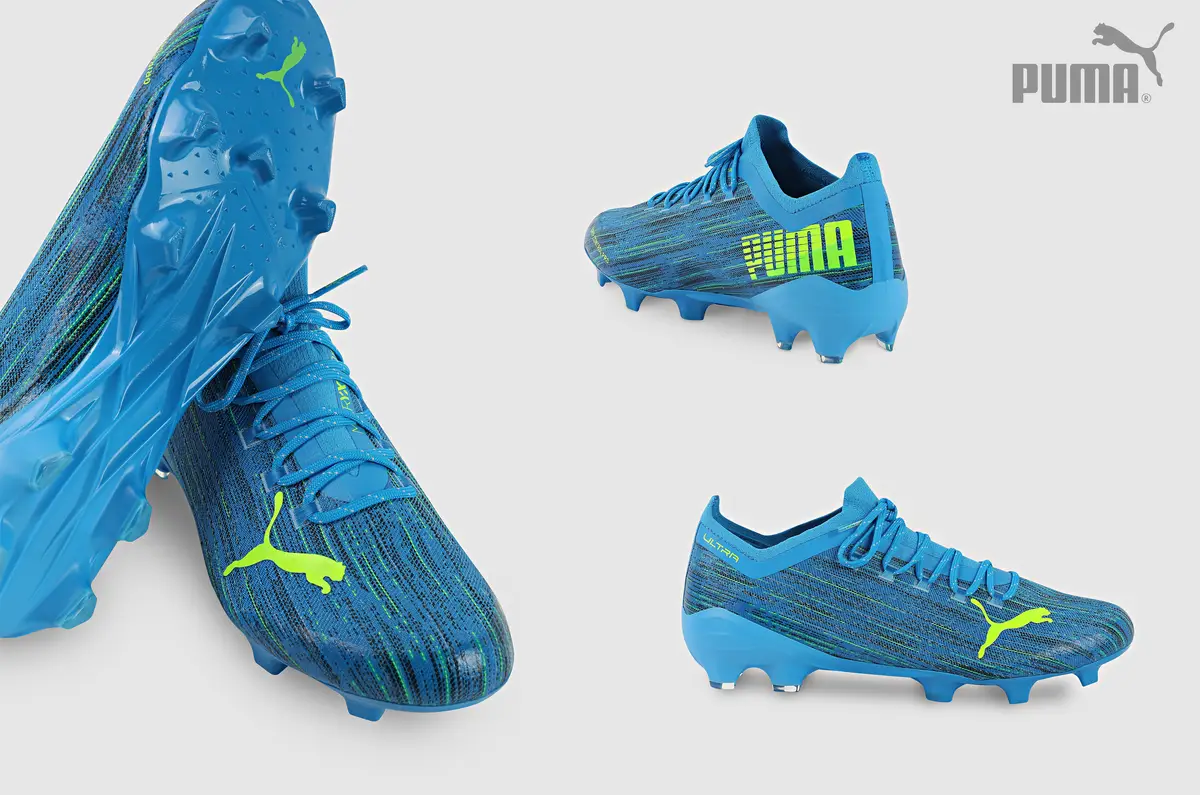
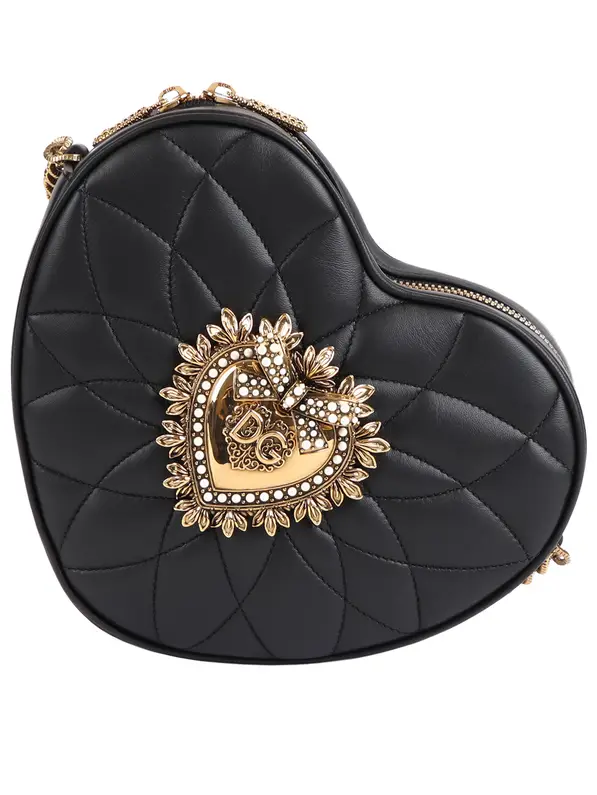
Good fashion retouching means doing less, but better. The goal is simple: help customers trust what they see. When images feel clean, honest, and consistent, sales follow naturally.
If your product photos look beautiful but aren't converting, the issue might not be the photography, it might be the retouching choices behind it. Fixing those details can quietly make a very big difference.